
Global Carbon Budget
Determining the exact carbon allocation for each Technate is a matter of high-level physics and climate data.
overseen by the World Government's Global Resource Board
World Government Global Resource Board
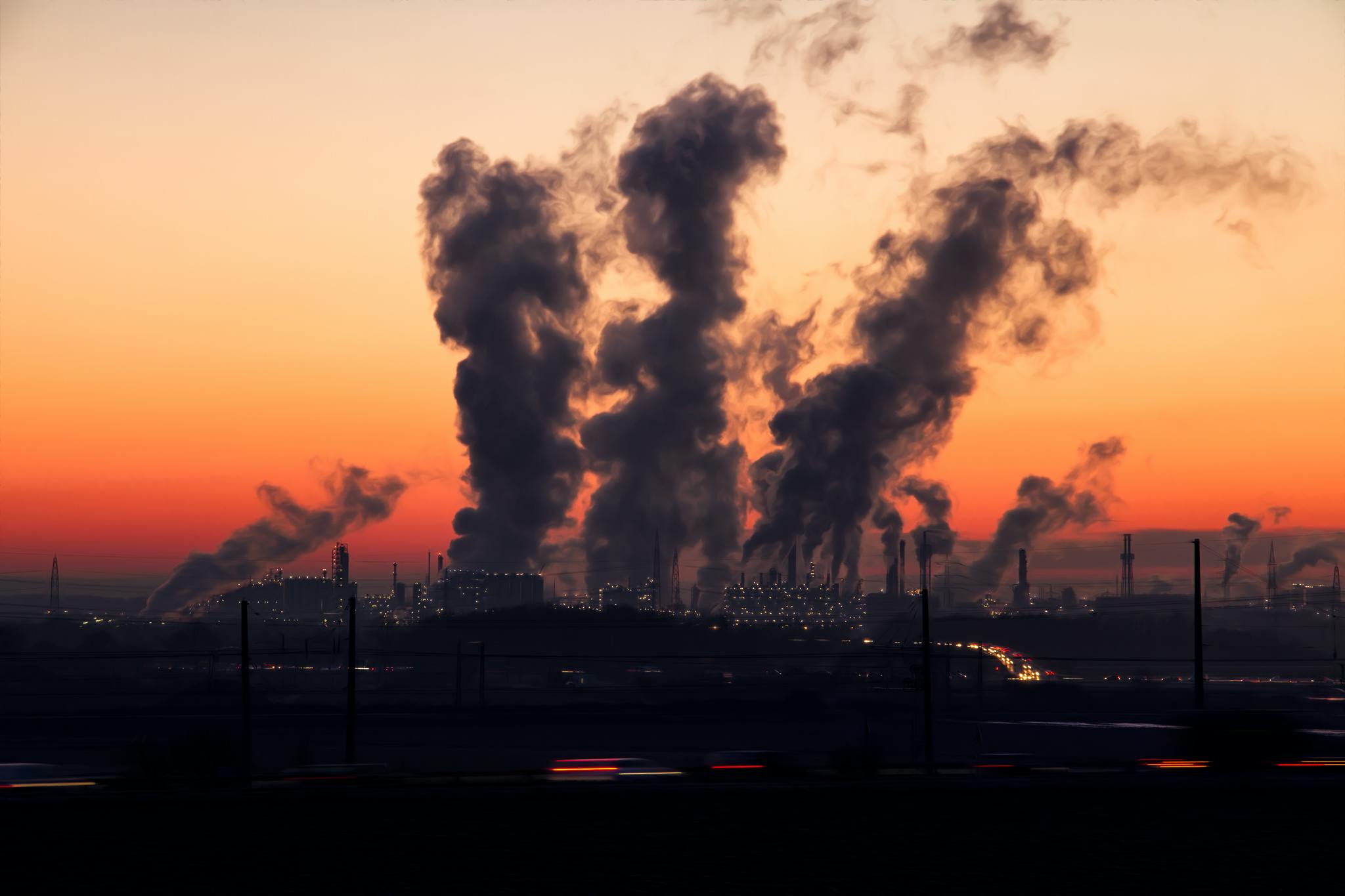
Because we are in 2026, the total "Global Carbon Ceiling" is shrinking rapidly. The world government board is using a "Dynamic Allocation" model rather than a fixed number. This means the allowance for a Technate can change based on the real-time health of the planet.
1. The Global Ceiling (2026 Data)
As of early 2026, scientific consensus indicates that we are nearing the final limit of our 1.5°C carbon budget. The Global Resource Board has set a hard ceiling to ensure we do not breach the 2.0°C "Point of No Return."
- Total Global Allowance: Approximately 20–25 Gigatonnes (Gt) of CO_2 per year for the entire planet.
- The Goal: To reduce this ceiling by roughly 7% annually until we reach a "Steady-State" carbon-neutral economy.
2. How the Allowance is Split
Technates do not get an equal share. The allocation is based on three technical factors, calculated by the Multinational Standardization Sequence:
1. Biocapacity & Sinks: Technates with massive natural "carbon sinks" (like the South American Technate with the Amazon or the Eurasian Technate with the Boreal forests) receive a higher allowance because their land actively "pays back" into the global system.
2. Population Density: The East Asian and Indian Technates receive larger allocations for "Basic Needs" (food, heating, healthcare) simply due to the sheer number of humans being maintained by their functional sequences.
3. Industrial Efficiency: A Technate that proves it can produce a kilowatt-hour of energy for less carbon is granted an "Efficiency Bonus," effectively increasing its luxury headroom.
3. Estimated Allocations (The 2026 "Load Table")
While exact numbers fluctuate, here is a breakdown of how the 25 Gt Global Budget is typically distributed among the 8 Technates:


Technate Guide

The world in a Technocratic model is not based on political ideologies or national histories, but rather on resource self-sufficiency and geographical considerations. For a region to qualify as a viable "Technate," it must possess sufficient raw materials, energy resources, and industrial capabilities to function as a self-sustaining, high-energy system (Autarky). Below is the standard 2026 model, which outlines the eight primary Technates:
1. The North American Technate

This is the "Alpha Technate," often cited as the most ready for transition due to its integrated power grids and massive resource wealth.
- Scope: Includes all of North America, Central America, the Caribbean, and parts of northern South America (above the Amazon).
- Core Strength: High energy-to-population ratio and advanced automated manufacturing hubs.
2. The South American Technate

Focused on the vast hydrological and biological resources of the southern continent.
- Scope: South America (below the Amazon).
- Core Strength: Hydroelectric dominance and the "Global Lungs" of the rainforest, critical for the Global Carbon Budget.
3. The Eurasian Technate

A massive landmass focused on mineral wealth and land-based logistics.
- Scope: Russia, Central Asia, and parts of Eastern Europe.
- Core Strength: Enormous natural gas, rare earth minerals, and the "Continental Silk Road" maglev spine.
4. The East Asian Technate

The high-density industrial and technological heart of the planet.
- Scope: China, Japan, Korea, and Taiwan.
- Core Strength: Maximum industrial automation efficiency and advanced Micro-Infrastructure design.
5. The European Technate

Focused on high-efficiency urban living and integrated renewable grids.
- Scope: Western and Central Europe, extending into the Mediterranean.
- Core Strength: The most advanced Regional Division Councils and circular-economy waste recovery systems.
6. The African Technate

The solar energy powerhouse of the world.
- Scope: The entire African continent.
- Core Strength: Massive solar capture potential (Sahara) and unexploited mineral reserves managed by the Chemical & Molecular Sequence.
7. The Indian (South Asian) Technate

A region focused on high-utility human contribution and agricultural engineering.
- Scope: India, Pakistan, Bangladesh, and surrounding regions.
- Core Strength: Massive Functional Sequence workforce and advanced hydrological management of the monsoon cycles.
8. The Australian (Oceanic) Technate

The maritime and isolated research hub.
- Scope: Australia, New Zealand, and the Pacific Island chains.
- Core Strength: Deep-sea mineral extraction and high-efficiency low-density living models.
Why these 8? (The Rule of Three)
For a region to qualify as a Technate, it must satisfy three physical requirements:
1. Energy Independence: It must be able to produce more energy than it consumes.
2. Resource Variety: It must possess almost all elements of the periodic table within its borders.
3. Critical Mass: It must have enough people to staff all Functional Sequences but not so many that the Carbon Budget is perpetually exceeded.
